November 13, 2026
Should You Rekey or Replace Locks After Moving Into a New Home?
By @practicalsecuritypost
Understanding Your Options When You Move
Moving into a new house brings a long list of tasks, and changing the locks often falls near the bottom. But knowing who has keys to your home is a basic security concern. The previous owner may have handed over a set of keys, but copies could exist with neighbors, contractors, or friends. Rather than wondering, you have two practical choices: rekey the existing locks or replace them entirely. Each approach has its own strengths, and the right call depends on the condition of the hardware, the level of security you want, and how much work you are prepared to do.
What Does Rekeying Mean?
Rekeying changes the internal pins and springs inside a cylinder lock so that the old key no longer works. A locksmith removes the cylinder, adjusts the internal configuration, and fits new pins that match a fresh key. The lock body, the strike plate, and the door frame stay exactly as they are. The result is a lock that behaves the same but responds only to the new key. This process is relatively quick and usually costs less than buying and installing a whole new lock set. For homes with quality hardware that is still in good shape, rekeying is a smart option.
When Rekeying Makes Sense
If the existing locks are solid, well-rated units from a trusted brand, there is little reason to throw them away. Many modern locks use hardened steel bolts and anti snap features that resist physical attack. Rekeying preserves those benefits while restoring key control. It is also an excellent choice when you have multiple locks that need to operate on one key. A locksmith can rekey every entry point - front door, back door, garage entry - to match a single master key. That convenience alone is worth considering. Rekeying is also the faster option. A mobile locksmith can often rekey several locks in under an hour. For busy homeowners, that speed matters.
Another situation where rekeying works well is in a rental property. Landlords often rekey between tenants to keep the property secure without replacing hardware that is still functional. The same logic applies to homeowners who plan to upgrade their locks gradually. You can rekey now and replace the hardware later when your budget allows a comprehensive upgrade.
What Replacing Locks Involves
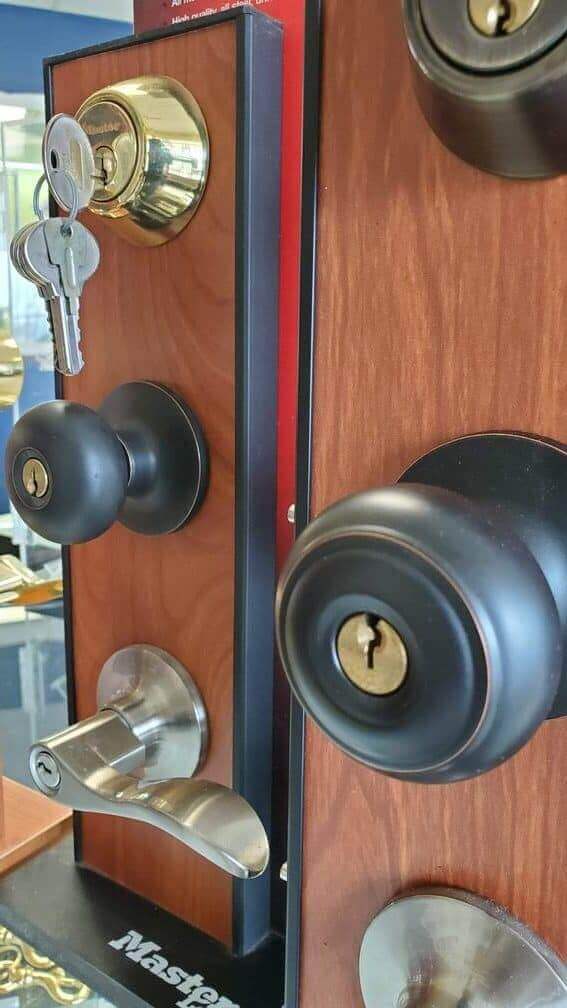
Replacing a lock means removing the entire assembly - the cylinder, the interior and exterior trim, the deadbolt or latch, and sometimes the strike plate - and fitting a new unit. This is more involved than rekeying because the new hardware must align with the existing cutouts in the door and the door frame. If the new lock has a different backset or bolt size, you may need to enlarge the mortise or adjust the strike plate. In older homes, the door frame itself may need reinforcement to accommodate a modern deadbolt. The term for this work is door lock installation, and it can take longer than a simple rekey. However, the payoff is a lock that meets current security standards and may offer features that older locks lack.
When Replacement Is the Better Choice
There are clear cases where replacement makes more sense. If the existing hardware is old, of unknown brand, or showing signs of wear, rekeying just postpones an eventual failure. Worn internal parts can cause a lock to stick, jam, or operate inconsistently. Replacing the whole unit gives you a fresh start. Another common scenario involves upgrading the lock grade. Residential locks are graded from one to three by the American National Standards Institute (ANSI). Grade 1 locks are heavier duty, with stronger bolts and better resistance to forced entry. If your current locks are grade 2 or 3 and you want better security, replacement is the way to go.
You might also want features that older locks do not offer. Modern locks include anti snap cylinders, which break under torque so that a thief cannot twist the lock open. Some have bump-resistant pins or electronic keypads that let you enter a code instead of using a key. Multipoint locks, which engage several bolts along the edge of the door, provide better sealing and security than a single deadbolt. These upgrades require new hardware, not a rekey. Door lock installation is the only path when you want to change the lock type or add a feature that the current lock cannot support.
Comparing the Two Approaches
Rekeying and replacement both restore key control, but they differ in cost, time, and the condition of the finished product. Rekeying is generally cheaper because the labor is simpler and you reuse the existing hardware. It takes less time and causes less disruption to the door and frame. Replacement costs more - the price of the new lock plus longer labor for installation - but it gives you a brand-new product with a full warranty and modern security features. Neither approach is universally better. The right choice depends on the specific lock and your priorities.
- Rekeying: Preserves existing hardware. Lower cost. Faster. Good for functional locks that you want to keep.
- Replacement: Provides new hardware. Higher cost. Takes longer. Necessary for upgrades or worn-out locks.
If you are unsure about the condition of your locks, a qualified locksmith can inspect them and advise. A lock that operates smoothly and has no visible wear is a good candidate for rekeying. A lock that feels loose, has rust, or uses an old pin-and-tumbler design is better replaced.
Practical Considerations for Homeowners
One factor that often gets overlooked is the door frame. A lock is only as strong as the frame it sits in. If the frame is weak or the strike plate is held by short screws, even a grade 1 lock can be defeated with a strong kick. When you replace a lock, it is a good opportunity to upgrade the strike plate and use longer screws that reach into the wall stud. This simple step greatly improves the door's resistance to forced entry. Rekeying does not address the frame, so if you have concerns about the frame's strength, replacement gives you a chance to fix both.
Okey Locksmith is also on Instagram.
Another consideration is future convenience. If you plan to stay in the home for many years, investing in high-quality locks now saves the trouble of an upgrade later. If you expect to sell within a few years, rekeying the existing locks may be the more practical route. Buyers rarely care about the brand of your locks, but they do expect a working set of keys. Either approach meets that requirement.
When Neither Option Is Enough
There are situations where rekeying or replacing a lock is only part of the solution. If the door itself is damaged or the frame is rotted, no lock will secure it well. In that case, the door or frame needs repair or replacement before you address the lock. Similarly, if you are moving into a home with a mortise lock that is decades old, finding replacement parts may be difficult. A locksmith can advise whether the lock can be rekeyed or if it is time to switch to a modern cylindrical lockset. The key point is that a lock is one layer of a larger security system that includes the door, the frame, the hinges, and the surrounding wall.
Making the Decision
Start by evaluating the hardware you have. Check the brand and model number on the lock face or the edge of the door. Look for signs of rust, wear, or looseness. If the lock operates smoothly and looks to be in good condition, rekeying is the efficient choice. If the lock is old, worn, or lacks modern security features, replacement is the better investment. In either case, hiring a professional locksmith ensures the job is done correctly. A poorly installed lock can be as insecure as no lock at all.

For homeowners who want the highest level of security and are willing to spend more, replacing with a grade 1 deadbolt and reinforcing the strike plate is a strong upgrade. For those on a tighter budget or with good existing hardware, rekeying provides peace of mind without the expense of new hardware. Both options are valid; the right one depends on your specific situation.
Final Thoughts
Securing your home after a move should not be an afterthought. Whether you choose to rekey or replace, the goal is the same: ensure that only you and your family have working keys. Each method has its place, and a reputable locksmith can help you decide which path fits your home's needs. For residents of Oklahoma City and the surrounding communities, Okey Locksmith provides 24/7 mobile automotive, residential, commercial, access control, and emergency locksmith services. You can visit them at 3121 SW 29th St, Oklahoma City, OK 73119, USA, or call +1 405-703-8943 for assistance with rekeying or door lock installation. Taking action now saves worry later.
❧